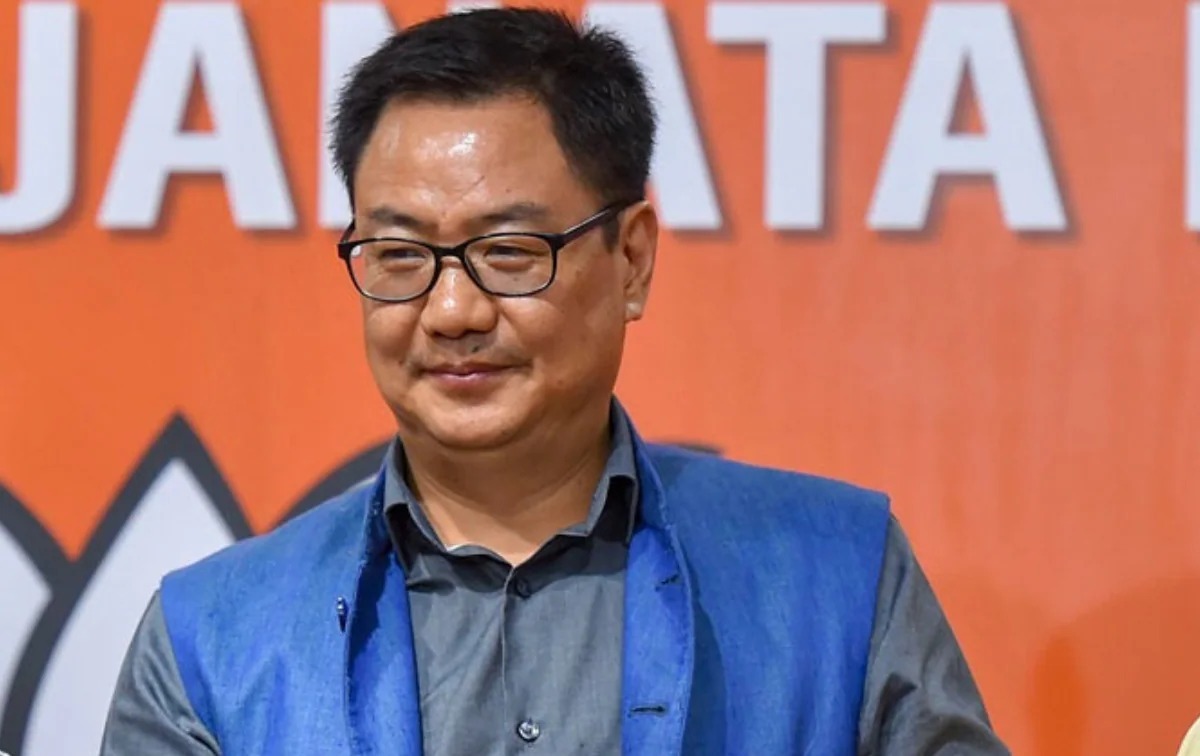
On January 27, the day before Parliament starts its Budget Session, Kiran Rijiju, the Union’s minister of parliamentary affairs, will preside over an all-party gathering of floor leaders from both Houses. The purpose of the meeting, which will take place in the main committee room, is to manage important national issues that are anticipated to arise during the session and to streamline legislative procedure. With a break in between, the Budget Session will take place from January 28 to April 2. The first phase will run from January 28 to February 13, while the second phase will run from March 9 to April 2. During this time, 30 sessions of Parliament are anticipated.
President Droupadi Murmu will address a combined session of the Lok Sabha and Rajya Sabha to formally begin the proceedings. On February 1, the Union Budget for 2026–2027 will be unveiled. The Ministry of Finance emphasized previously announced customs tariff measures before to the session, highlighting the government’s efforts to boost domestic electronics industry. In order to correct an inverted duty structure, the finance ministry increased the basic customs charge on flat panel displays to 20% during the most recent budget while lowering the duty on open cells and critical components to 5%.
Building on previous reductions, the government also took action to completely waive customs duty on components used in the production of open cells for LCD and LED televisions. The policies were developed as part of the Make in India initiative, which aims to establish India as a global center for electronics production. It is anticipated that the meeting on January 27 will finalize the agenda and enable more efficient business operations during the Budget Session.