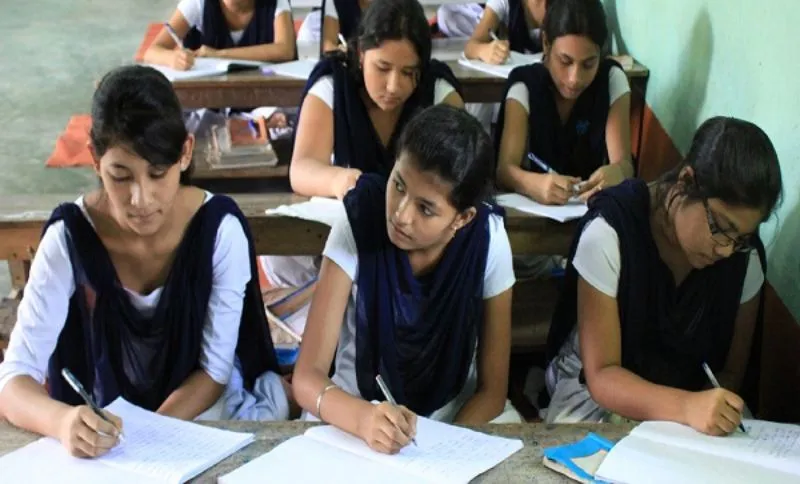
In a landmark move toward inclusive education, Assam has become the first Indian state to introduce Indian Sign Language (ISL) as an elective subject for Class 11 students, beginning with the 2025–26 academic session. The initiative, led by the Assam State School Education Board (ASSEB), aligns with the National Education Policy (NEP) 2020 and the Rights of Persons with Disabilities Act, 2016.
Announced by Education Minister Dr. Ranoj Pegu, the new curriculum includes ISL alongside Artificial Intelligence and Financial Literacy as part of a broader effort to equip students with future-ready skills while fostering empathy and accessibility. “This is a significant stride towards preparing our youth for the evolving demands of a digital economy, while also ensuring that every voice, spoken or signed, is valued,” Dr. Pegu stated during a teacher training event at IIT Guwahati.
The course has already seen early traction, with 70 students enrolling in its inaugural year. The state has also released a textbook titled Fundamentals of Sign Language for Class XI and is developing teacher training modules to ensure effective delivery of the subject.
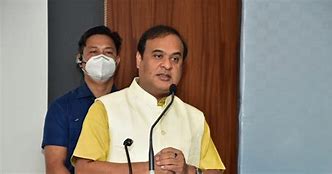
Chief Minister Himanta Biswa Sarma lauded the initiative on social media, emphasizing its potential to bridge communication gaps and empower both hearing-impaired students and those seeking careers in inclusive education and interpretation services.
Disability rights advocates, including the Assam Association of the Deaf, have welcomed the move. Executive Board Member Ankur Sarma noted that the association played a key role in developing the curriculum, ensuring it meets both educational and practical needs.
The decision comes at a time when nearly 19% of deaf and hard-of-hearing children in India remain out of school, largely due to the lack of accessible communication tools. By integrating ISL into mainstream education, Assam is addressing a critical gap and setting a precedent for other states to follow.
The ASSEB has invited schools to express interest in offering the subject via a dedicated online form, as part of its planning for teacher deployment and resource allocation.
This pioneering step is being hailed as a model for inclusive policy-making, reinforcing Assam’s commitment to equity, accessibility, and holistic education.