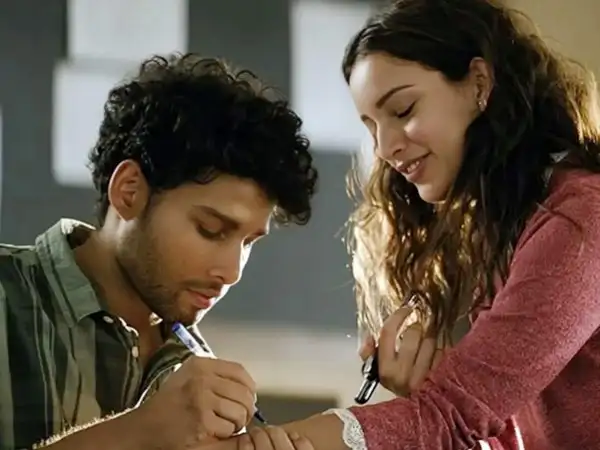
Mumbai: Following its theatrical release today, the romantic drama Dhadak 2, starring Siddhant Chaturvedi and Triptii Dimri, has garnered significant public attention and sparked a wide range of reactions on social media. The film, a spiritual sequel to the 2018 movie Dhadak and an adaptation of the acclaimed Tamil film Pariyerum Perumal, addresses the sensitive subject of caste-based discrimination in modern India.
Netizens and early reviewers on platforms like X (formerly Twitter) have largely lauded the film for its bold and honest approach to a difficult subject. Many praised the performances of the lead actors, with some calling them “raw” and “committed.” A number of viewers highlighted that the film is “far more grounded” and emotionally impactful than its predecessor.
Triptii Dimri’s portrayal, in particular, has been singled out for praise. Several users have called it her “best work yet,” noting that she “embodies Vidhi” with a quiet rage and wounded resilience. Siddhant Chaturvedi’s performance as a young man grappling with systemic injustice has also been appreciated for its honesty and emotional weight, especially in the film’s second half.
The public response, however, is not without criticism. While many have found the film to be a “hard-hitting” and “gutsy” watch, a recurring point of contention is the music. Several reviewers have noted that the soundtrack, while pleasant, lacks the “soul-stirring” quality that made the songs from the original Dhadak so memorable. Some have also pointed out that the first half of the film feels slow, and the overall pacing is uneven.
Despite the mixed reviews, a common thread in the public’s reaction is the film’s success in sparking a conversation about the persistence of caste discrimination, even in a modern urban setting. The film’s bold narrative and the powerful performances of its lead actors seem to have resonated with a significant portion of the audience, leaving them “disturbed” and “moved,” which many believe was the intended purpose of the film.