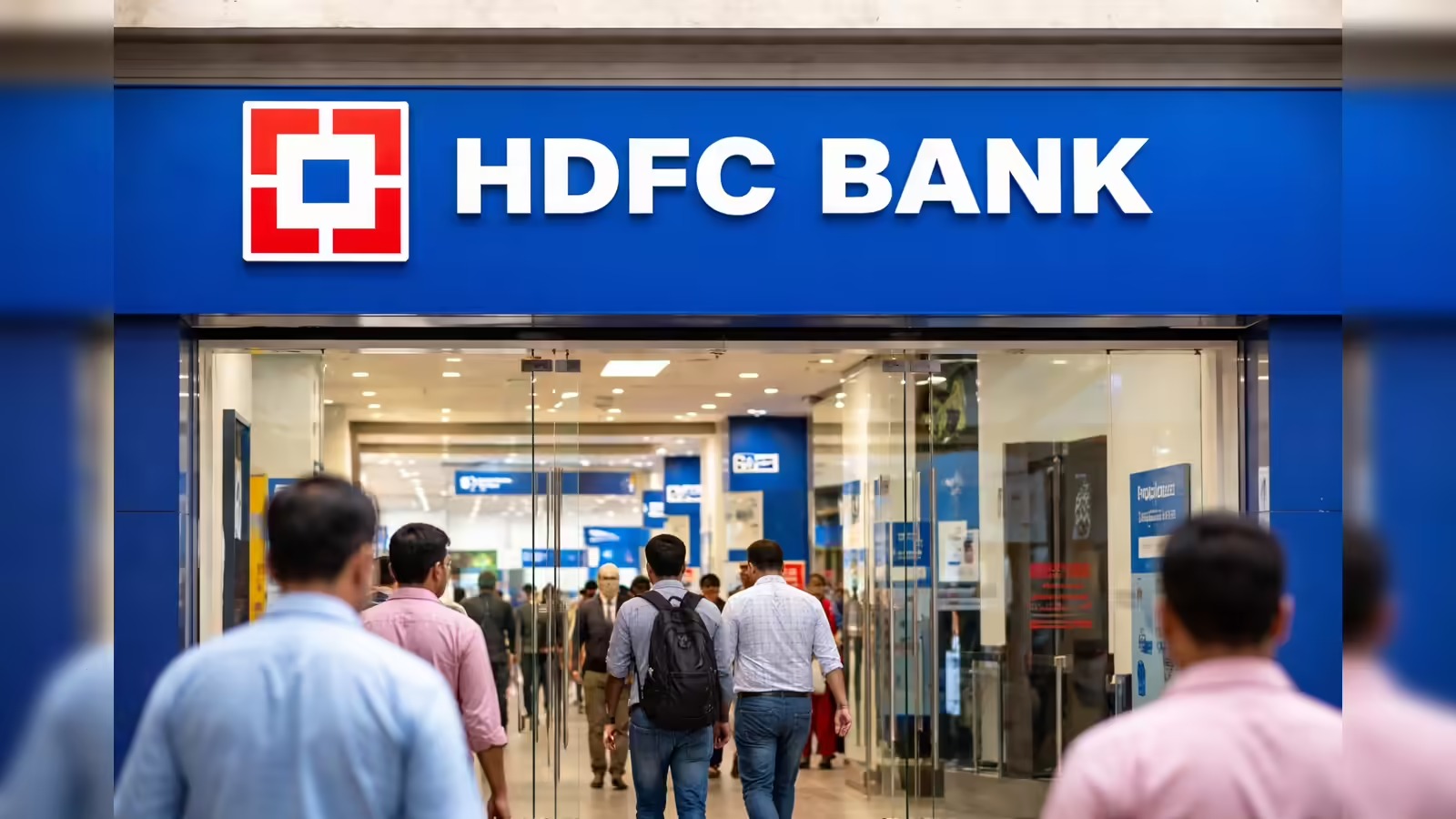
Shares of HDFC Bank plunged sharply after the sudden resignation of its chairman Atanu Chakraborty, erasing over $7 billion in market value and raising concerns among investors about governance and transparency.
Chakraborty’s exit, after nearly five years as part-time chairman, stunned markets, particularly due to remarks in his resignation letter citing “practices… not in congruence with my personal values and ethics.” Although he later described the move as “routine,” the initial statement triggered widespread unease.
In an attempt to calm nerves, bank executives held an investor call, insisting there were no material issues. However, the lack of clarity failed to reassure stakeholders. Representatives from major institutional investors, including BlackRock, questioned the absence of specific explanations.
Prashant Periwal of BlackRock openly expressed dissatisfaction, saying the call offered no additional clarity on the situation. Other analysts and fund managers echoed similar concerns, noting that such a high-level resignation without clear reasons is unusual in the banking sector.
The bank’s shares fell over 5 percent on Thursday—the steepest drop since mid-2024—and extended losses in early Friday trading, even as broader banking indices showed signs of recovery.
Newly appointed interim chairman Keki Mistry said the board was equally puzzled, adding that Chakraborty had not provided specific reasons despite repeated queries. Board members maintained that there were no regulatory or operational concerns affecting the bank.
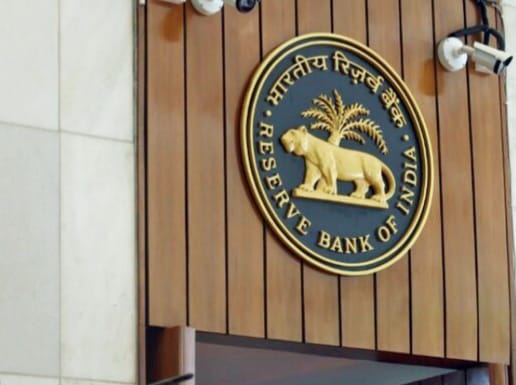
The Reserve Bank of India stepped in to reassure markets, describing HDFC Bank as a systemically important institution with strong governance and sound financials. The regulator also approved interim leadership to ensure stability.
Despite the central bank’s backing, analysts remain cautious. Some brokerages have flagged potential near-term underperformance, citing lingering governance concerns and the need for greater transparency.
The episode underscores the sensitivity of investor sentiment to leadership changes in major financial institutions, especially when communication gaps leave critical questions unanswered.
Governance Concerns Rise as HDFC Bank Loses $7 Billion Post Exit Shock