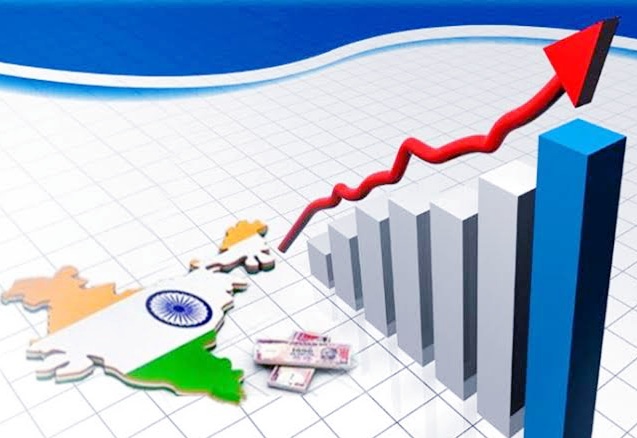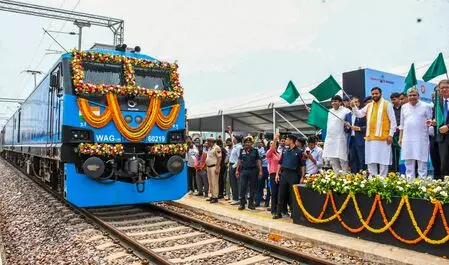
India’s logistics industry is poised for robust expansion, with the government projecting a compound annual growth rate (CAGR) of 10.7% through 2026. Valued at $215 billion in 2021, the sector is expected to play a pivotal role in India’s economic growth, generating millions of new jobs and reinforcing the country’s position as a key logistics hub in Asia.
The government’s decision to grant infrastructure status to the logistics sector has enabled access to long-term, low-cost financing, similar to roads and railways. This move is part of a broader strategy to modernize supply chains and reduce logistics costs.
Key initiatives driving this transformation include:
- The National Logistics Policy (NLP), launched in September 2022, aimed at streamlining operations and improving efficiency.
- PM GatiShakti Master Plan, introduced in October 2021, which integrates multiple transport modes into a unified infrastructure network.
- Digital platforms like the Unified Logistics Interface Platform (ULIP) and Logistics Data Bank (LDB), which enhance transparency and real-time tracking of containerized cargo.
According to official data, the sector currently employs over 22 million people and is expected to create millions of additional jobs by 2026. Inland Waterways reported a record cargo movement of 145.5 million tonnes in 2024–25, reflecting improved multimodal connectivity.
India’s sustained GDP growth of 6.5% in 2024–25 and its status as the world’s fourth-largest economy further underscore the strategic importance of a resilient logistics ecosystem.