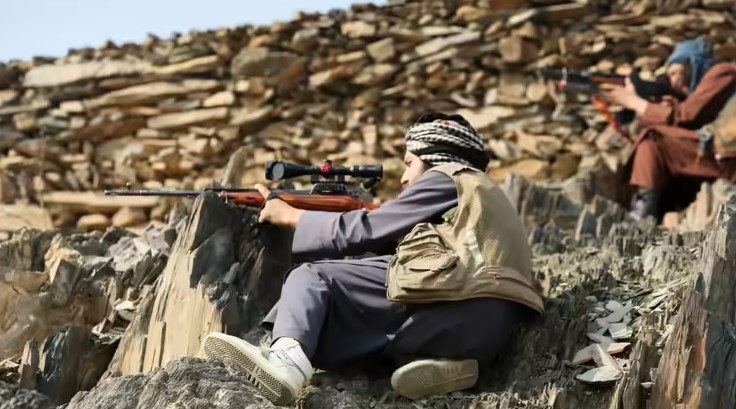
Pakistan has initiated a series of targeted military operations along its border regions, justifying the escalation with the statement that their “cup of patience has overflowed.” This development comes after a surge in cross-border militant activity that Islamabad claims has reached an intolerable level, threatening national stability and the safety of its citizens. According to official statements from the Pakistani military and foreign office, the strikes were aimed specifically at hideouts and infrastructure belonging to insurgent groups that have been using neighboring territories as launchpads for attacks inside Pakistan. The government emphasized that while it has long sought diplomatic resolutions and practiced restraint, the persistent refusal of regional actors to eliminate these “safe havens” left the country with no choice but to take direct action to protect its sovereignty.
The timing of this military response is significant, as it reflects a hardening of Pakistan’s security policy amidst a deteriorating regional security landscape. Authorities highlighted several recent high-profile attacks on security checkpoints and civilian areas as the primary catalysts for this decision, noting that intelligence reports indicated imminent threats being coordinated from just across the border. By using the metaphor of an overflowing cup of patience, Pakistan is signaling to the international community that it no longer views defensive measures alone as sufficient. The operations involved both ground-based artillery and precision aerial strikes, focusing on what the military described as “active terror cells.”
However, the move has immediately raised concerns about a broader regional conflict, with neighboring governments and international observers calling for immediate de-escalation. While Pakistan maintains that its actions are purely counter-terrorism measures and not directed against any sovereign state’s military, the strikes have inevitably increased tensions and led to a war of words between regional capitals. Military analysts suggest that this proactive stance is an attempt by Islamabad to create a new “deterrence red line,” making it clear that any further militant incursions will be met with a swift and kinetic response. As the situation evolves, the focus remains on whether diplomatic channels can be reopened to address the root causes of the border instability or if this marks the beginning of a more volatile phase in regional relations.