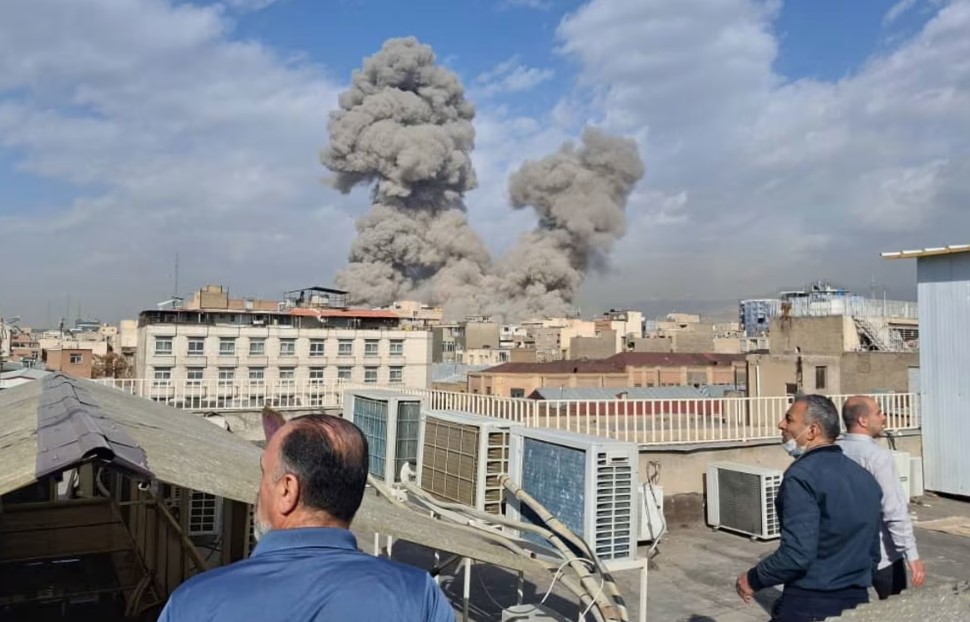
The geopolitical landscape of West Asia has been fundamentally altered following the launch of “Operation Epic Fury,” a joint U.S.-Israeli military campaign initiated on February 28, 2026, aimed at dismantling Iran’s nuclear infrastructure and inducing regime change. President Donald Trump has framed the early stages of the conflict as a resounding success, pointing to the high-profile “decapitation strike” in Tehran that killed Supreme Leader Ayatollah Ali Khamenei and several top military commanders. From a tactical standpoint, the administration argues the mission has achieved its immediate goals by neutralizing the Iranian Navy, degrading missile launch sites, and throwing the IRGC leadership into a state of unprecedented chaos. In a statement from the White House, the President claimed that this “last best chance” to eliminate the Iranian threat has paved the way for a new regional order, urging the Iranian people to “take back their government.” However, the path to a definitive victory remains fraught with extreme peril, as the success of air supremacy has yet to translate into a stable political transition on the ground.
While the Pentagon celebrates its technical precision, the operation risks spiraling into a disastrous and protracted regional war as Iran’s retaliatory strikes have already hit targets across eight neighboring countries, including Bahrain, Qatar, and the UAE. The closure of the Strait of Hormuz has sent global oil prices skyrocketing, triggering fears of a worldwide energy crisis and an economic shock that could undermine the very domestic stability President Trump promised to protect. Humanitarian organizations have raised alarms over civilian casualties, including a tragic strike on a school in Minab, which critics argue serves as a recruitment tool for hardline factions rather than a catalyst for democratic revolt. Furthermore, the assassination of a “Source of Emulation” like Khamenei has created a vacuum that many experts fear will be filled by a more radical, IRGC-led military junta rather than a pro-Western civilian government. As the conflict enters its second week, the world remains on edge, questioning whether this military might will secure a lasting peace or if it has opened a Pandora’s box of nuclear proliferation and endless insurgency that the United States cannot easily close